AI-driven music analytics: How smart tools are changing how we hear music
When you stream a song, AI-driven music analytics, a system that uses machine learning to interpret how people listen to and interact with music. Also known as music intelligence, it doesn’t just guess what you might like—it tracks every skip, replay, and playlist add across millions of users to find hidden patterns. This isn’t science fiction. It’s what Spotify, Apple Music, and YouTube use every second to decide which songs get pushed to you, which artists get signed, and even which tracks get played on the radio.
Behind the scenes, audio fingerprinting, a technique that creates a unique digital signature for every song based on its sound waves lets platforms recognize tracks even if they’re slowed down, clipped, or played through a noisy speaker. Meanwhile, music recommendation engines, algorithms that connect listeners to songs based on listening history and emotional tone don’t just rely on genre or artist—they analyze tempo, key, vocal texture, and even how a song builds tension. These tools help indie artists break through without a label, and they let labels spot breakout hits before they go viral.
Artists and managers now use these insights to plan tours, time single releases, and even tweak song structures before dropping them. A track that gets heavy replays in the first 30 seconds? That’s a potential hit. A song that gets skipped after 15 seconds in Berlin but loved in Lagos? That’s a global market clue. Platforms like SoundCloud and Bandcamp are starting to give creators direct access to this data, so they know who’s listening, where, and when. It’s turning music from an art form into a measurable, responsive experience.
You’ve probably seen the results without realizing it: that playlist that feels made just for you, the new artist that popped up out of nowhere, the song that suddenly blew up after a TikTok trend. That’s AI-driven music analytics at work. And it’s not just about popularity—it’s about connection. These systems can tell if a song makes people feel calm, energized, or nostalgic, and they use that to match listeners with music that moves them, not just matches their past choices.
Below, you’ll find real stories of how this tech is changing the game—from artists using data to land record deals, to streaming services catching fraud, to how a single track’s performance in one city can trigger a global rollout. No fluff. Just facts from the front lines of music’s digital revolution.
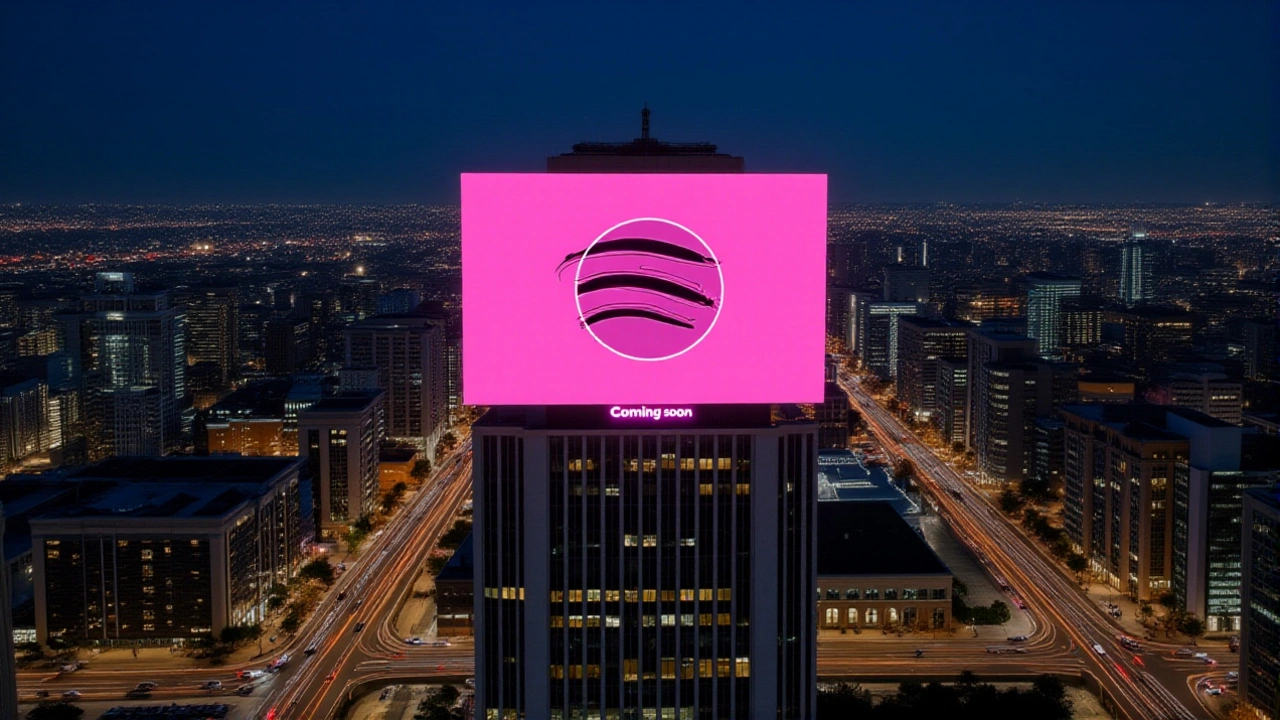
Spotify Wrapped 2025 Launches with AI Fixes, Artist Clips, and Emotional Listening Clubs
Spotify AB launched Wrapped 2025 on December 3, 2025, with AI-enhanced emotional Clubs, artist Clips, and songwriter microsites — directly addressing backlash from last year’s inaccurate data. All features accessible until Dec 31.