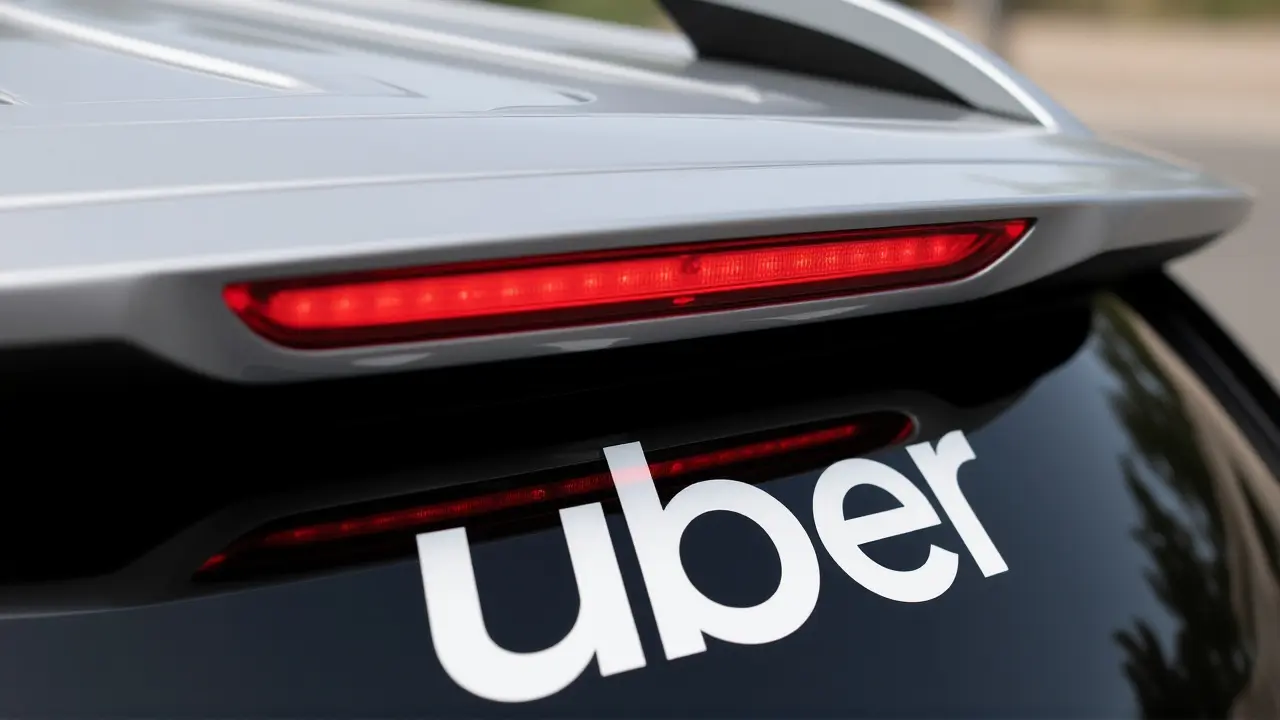
When Uber Technologies, Lucid Group, and Nuro stepped onto the stage at CES 2026Las Vegas on January 5, they didn’t just show off a concept car. They unveiled production-intent robotaxis designed to form the backbone of a global driverless service. This isn't science fiction anymore; it's a manufacturing roadmap.
The twist? Uber is playing a multi-front war for autonomy. While the Lucid-Nuro partnership targets immediate production in Arizona later this year, Uber has simultaneously locked in massive deals with NVIDIA Corporation and Rivian Automotive. The result is a sprawling ecosystem of self-driving cars set to hit roads across North America, Europe, Asia, and Australia within five years.
A New Era of Production-Intent Design
Here’s the thing about "production-intent" vehicles: they’re not prototypes gathering dust in a lab. They are designs frozen enough to begin tooling up factories. At the Fontainebleau Hotel in Las Vegas, attendees could see these vehicles firsthand from January 5 through January 8. The design features a next-gen sensor array and halo-mounted integrated LEDs—likely communicating vehicle status to pedestrians without human interaction.
But wait. The most critical detail isn’t the lights or sensors. It’s where these cars will be built. Pending final validation, Lucid plans to start production at its factory in Arizona later in 2026. That’s remarkably fast. For context, traditional automakers often take three to five years from design freeze to first roll-off. Lucid is compressing that timeline significantly, betting heavily on its existing EV infrastructure.
However, the financial underpinning of this specific trio remains murky. Exclusive reports suggest Uber’s commitment to Nuro is close to $500 million, though the exact structure—whether equity, service guarantees, or milestone payments—hasn’t been fully disclosed in public filings. What we do know is that Uber wants scale, and it wants it now.
The NVIDIA Software Playbook
While Lucid builds the metal, NVIDIA is building the brain. In a separate announcement, Uber and NVIDIA detailed a plan to launch Level 4 (L4) software-driven robotaxis across 28 cities by 2028. This isn’t just about hardware; it’s about intelligence. NVIDIA’s new "Alpamayo" AI model uses chain-of-thought logic to handle complex "long-tail" scenarios—like erratic pedestrian behavior or unpredictable construction zones—that have historically tripped up autonomous systems.
The rollout strategy is phased. First, data-collection vehicles will map city-specific nuances. Then, an operator-led phase will test safety protocols. Finally, fully driverless operations will go live. Los Angeles and San Francisco are slated to be the first two cities, starting in the first half of 2027. If this timeline holds, millions of rides could be driverless before most consumers even finish paying off their current cars.
Rivian’s Billion-Dollar Bet
Turns out, Uber isn’t putting all its eggs in one basket. On March 19, 2026, Uber announced a staggering partnership with Rivian Automotive. The deal involves investing up to $1.25 billion in Rivian through 2031, contingent on meeting autonomous milestones. An initial $300 million tranche is already committed, pending regulatory approval.
The goal? Deploy up to 50,000 fully autonomous Rivian R2 robotaxis. The first phase alone sees 10,000 vehicles hitting the streets of San Francisco and Miami in 2028. By 2031, the fleet aims to expand to 25 cities across the US, Canada, and Europe. Crucially, these Rivian R2s will operate exclusively on the Uber platform, giving Uber a significant competitive moat against rivals like Waymo or Cruise.
Why This Matters to You
You might wonder why three different partnerships matter. The answer is redundancy and speed. By working with Lucid, NVIDIA, and Rivian, Uber is hedging against technological failures. If one platform stalls, others can carry the load. For riders, this means cheaper fares as labor costs disappear. For drivers, it signals an urgent need to adapt to a changing gig economy landscape.
The details are still being fleshed out regarding safety regulations and insurance liabilities, but the direction is clear. The era of the human driver is entering its twilight, and Uber is ensuring it owns the sunset.
Frequently Asked Questions
When will I be able to ride in an Uber robotaxi?
If you live in Los Angeles or San Francisco, expect Level 4 autonomous options via the NVIDIA partnership in the first half of 2027. For those in Miami or other major hubs, Rivian-based robotaxis are targeted for 2028. Full global expansion across 28 cities is planned by 2028.
What is the difference between the Lucid and Rivian partnerships?
The Lucid-Nuro partnership focuses on immediate production-intent vehicles manufacturing in Arizona in 2026. The Rivian deal is larger in scope, involving a $1.25 billion investment for up to 50,000 R2 vehicles deployed exclusively on Uber through 2031, targeting a broader geographic spread including Europe.
Are these cars truly driverless?
Yes, the goal is Level 4 autonomy, meaning no human driver is needed within the vehicle’s operational domain. However, early phases may include safety operators or remote monitoring. The NVIDIA partnership explicitly aims for "fully driverless" deployments after initial data collection and testing phases.
How much is Uber investing in this technology?
Uber is making massive commitments. Reports indicate a near-$500 million commitment to Nuro. Additionally, Uber agreed to invest up to $1.25 billion in Rivian through 2031, with an initial $300 million tranche subject to regulatory approval. These figures highlight Uber's aggressive capital allocation toward autonomy.
